Detroit — Stellantis NV CEO Antonio Filosa is well aware of the industry’s vehicle affordability problem and said Wednesday his company is moving to reset pricing and bring out smaller and cheaper models — including potential options under the $30,000 mark.
“A combination of value proposition with being competitive in the price offer, this is one way” to address affordability, Filosa said at the Detroit Auto Show. “The other way is the product lineup.”
Filosa pointed to Jeep brand price cuts and other trim realignments over the last year or so as one illustration of moves the company is taking. And an example of a new Stellantis model coming out that will fill a lower price range is the all-new Ram midsize pickup, he said, which is expected next year. That brand in late 2024 eliminated its more affordable Ram 1500 Classic pickup.
Additional smaller and cheaper options in the Stellantis lineup “probably will be announced in the future,” the CEO said. The automaker will add more models under $40,000 and “will investigate” options under the $30,000 level.
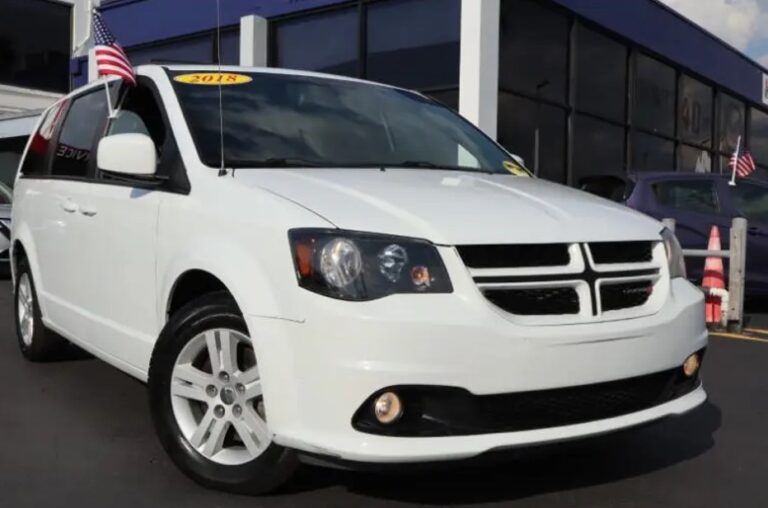
Stellantis’ entry-level U.S. vehicle now is the Jeep Compass, which comes in just above $30,000 for the 2026 base model including destination charge. Many of the company’s models cost tens of thousands more.
The automaker’s focus on affordability comes as average U.S. vehicle prices hover around $50,000 — roughly $15,000 higher than a decade ago — and face additional upward pressure due to the Trump administration’s tariffs.
It’s also a notable shift in thinking for Stellantis, which had jacked up its prices across its lineups and saw its profits soar under former CEO Carlos Tavares.
One affordable vehicle teased under Tavares’ tenure was an electric $25,000 small Jeep SUV, a successor to the Jeep Renegade. Filosa indicated that the automaker is now looking to develop vehicles with additional types of powertrains at that lower price point.
“Now, multi-energy is more important that mono-energy, right?” he said. “We are looking more deeply into the possibility to (have) a range of offers in that space of price — for Jeep, and not only for Jeep.”
It is Filosa’s first Detroit Auto Show as CEO after he was appointed to the job about six months ago. He appeared to be the only major automaker CEO conducting interviews and walking the floor Wednesday during a media and industry preview day.
“Six months gave me enough time to to understand all the changes that we need to make,” he said.
Some already are moving forward, like a $13 billion investment over the next four years into U.S. manufacturing, research and development and other areas. Other changes are still under development; Filosa is expected to describe his team’s long-range strategy during a capital markets day event sometime in the first half of this year.
The goal is to dig the company out of its sales and profit slump, especially in its highly profitable American market. U.S. sales in 2025 fell by about 3% compared to a year earlier, though executives have pointed to positive momentum in the second half of last year.
Since taking over, Filosa has made a series of leadership changes and taken a worldwide tour, visiting various factories and offices to meet employees. He has also looked to mend relationships with dealers, suppliers and the United Auto Workers union, which had been strained under his predecessor. Filosa said there has been progress in those areas.
“I believe that we have been able, not (just) myself, but the team overall, has been able to readdress some past conflict and make a relationship with unions, with dealers and with suppliers, day by day, better and better,” he said.
He also recently met with a number of tech executives during a visit to Silicon Valley in the first week of the year, though he wouldn’t say who, besides one of the co-founders of DoorDash. He said the aim was strengthening relationships in the tech world as Stellantis pursues autonomous driving partnerships and looks to improve the software in its vehicles.
“I went there to connect with people, with companies, and to learn, and I learned a lot,” he said. “I connected very well. We have plans now. We are establishing a few plans for the future and capital market day we will see some of those. But obviously what I’m interested (in) is software, central computing architecture, autonomous driving. This is what we believe we need to invest part of those $13 billion.”
link
About the Author