

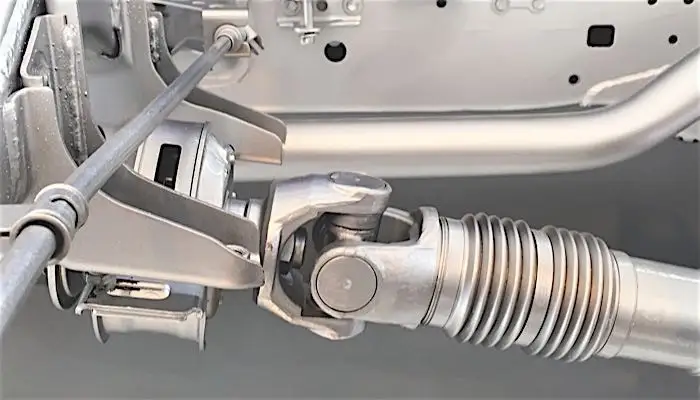

The driveshaft is one of the most critical components in any BMW’s drivetrain, quietly working behind the scenes to deliver power from the engine and gearbox to the wheels. When it’s functioning correctly, you don’t notice it at all — your drive feels smooth, controlled, and unmistakably BMW. But when the driveshaft starts to fail, it can cause an array of worrying symptoms that affect comfort, performance, and even safety.
Whether you drive a compact 3 Series, a performance-focused M model, or a larger SUV such as the BMW X5, the driveshaft plays a vital role in transferring torque efficiently to the road. If it develops a fault, the consequences can quickly escalate from mild vibrations to serious drivetrain damage. Recognising the early warning signs of a failing BMW driveshaft can save you from costly repairs and potential breakdowns later on.
Understanding the Function of a Driveshaft
In simple terms, the driveshaft is a rotating tube that transfers power from the transmission to the differential, which then sends that power to the wheels. It’s a key link in the powertrain that enables your car to move. Because it’s constantly under rotational stress, the driveshaft needs to stay perfectly balanced and securely connected at both ends via universal or CV joints.
BMW’s engineering precision ensures that each driveshaft is built to handle high torque and rotational speeds, particularly in powerful models like the BMW X5, which relies on a robust driveshaft to manage the demands of its all-wheel-drive system. However, over time, wear, corrosion, or impact damage can lead to imbalance, vibration, and eventually failure.
Vibrations During Acceleration or Cruising
One of the most common and easily noticeable signs of a failing driveshaft is vibration. This often starts subtly, as a faint tremor under your feet or through the steering wheel, but as the problem worsens, it can turn into a harsh shudder felt throughout the cabin.
These vibrations usually indicate that the driveshaft has become imbalanced or that one of the universal joints or centre bearings is wearing out. In a BMW X5, where the driveshaft runs the length of the vehicle, this vibration can be particularly pronounced at certain speeds or during acceleration. The cause could be anything from worn rubber couplings to a bent or damaged driveshaft tube itself.
Ignoring these vibrations can lead to further damage. As the driveshaft continues to spin out of balance, it places additional strain on surrounding components, including the gearbox and differential. Over time, this can lead to secondary failures, turning what might have been a straightforward driveshaft replacement into a far more expensive repair.
Unusual Noises from Beneath the Vehicle
Strange noises are another tell-tale sign that something is wrong with your BMW’s driveshaft. You might hear clunking, knocking, or metallic rattling sounds, particularly when shifting gears or when transitioning from acceleration to deceleration. These noises often indicate that the driveshaft joints have developed excessive play or that the centre support bearing is worn.
In vehicles such as the BMW X5, the driveshaft has multiple connection points to accommodate the length and movement of the suspension system. When any of these joints become loose or worn, the resulting movement creates noise as the driveshaft twists and shifts under torque. It can sound like a dull thud or a sharper metallic click, depending on the severity and location of the wear.
Because these noises tend to worsen over time, they should never be ignored. Once the joints reach a certain point of deterioration, they can fail completely — causing the driveshaft to lose connection and, in severe cases, detach from the drivetrain altogether.
Difficulty Turning or Juddering Around Corners
The driveshaft works in harmony with the differential and suspension system to allow your BMW to handle smoothly around corners. When it starts to fail, you may notice resistance or a juddering sensation while turning. This is particularly noticeable in four-wheel-drive models like the BMW X5, where power delivery is distributed between the front and rear axles.
If the joints within the driveshaft begin to seize or lose flexibility, they can no longer accommodate the angles created when steering or when the suspension moves over uneven surfaces. The result is a feeling of tightness or stiffness through the steering wheel, often accompanied by a slight clunking noise as the driveshaft binds and releases.
A failing driveshaft joint can also lead to uneven power delivery, which makes the car feel unsettled mid-corner. While the problem might first appear to be suspension-related, a professional inspection will often reveal that the root cause lies in the driveshaft assembly.
Thudding or Banging Under Load
A sharp thud or bang when accelerating or changing gears is another symptom that can be traced back to the driveshaft. This usually happens when there’s excessive play in the joints or when the centre bearing mount begins to fail. The driveshaft shifts suddenly under torque, striking surrounding components or hitting the limit of its movement.
In the BMW X5, this symptom can feel like a sudden jolt from beneath the vehicle, particularly noticeable when accelerating from a standstill or shifting between reverse and drive. The problem can sometimes be mistaken for gearbox issues, but in many cases, the driveshaft is the real culprit.
Left unchecked, this repeated movement can cause further wear on the transmission mount and differential coupling, compounding the issue. A garage experienced in BMW repair will be able to pinpoint whether the cause lies in the driveshaft or elsewhere in the drivetrain.
Leaking Grease Around the Joints
BMW driveshafts use universal joints or CV joints packed with grease to keep them moving smoothly. When these joints begin to fail, the protective rubber boots that seal them can crack or tear, allowing grease to escape. Once the lubricant leaks out, the joint starts to run dry, rapidly accelerating wear.
If you notice spots of dark grease underneath your car or see residue along the underside of the vehicle near the driveshaft, it’s a clear warning that a joint boot has failed. This issue is especially common in high-mileage BMWs or vehicles frequently driven on rough or uneven roads, as the constant motion and debris can cause small tears in the rubber over time.
A qualified mechanic can usually spot this early during a service or inspection. Replacing a damaged boot or worn joint early is far more cost-effective than allowing the entire driveshaft to deteriorate to the point of replacement.
Excessive Movement or Shaking When Shifting Gears
Another common sign of a failing driveshaft is excessive movement or shaking during gear changes. When you shift from park to drive or between reverse and first gear, the driveshaft should transfer power seamlessly. If worn joints or mounts are present, you may feel a noticeable clunk or lurch as the slack in the system is taken up.
This symptom is particularly noticeable in automatic BMWs such as the X5, where torque transitions are smooth by design. A harsh engagement or shudder indicates that the driveshaft or its supporting components are no longer functioning as they should. The issue may also be accompanied by vibrations when accelerating, further confirming the diagnosis.
Over time, these jerky movements place extra strain on other drivetrain elements, including the gearbox and differential. Addressing the problem early not only restores smoothness but can also prevent costly secondary damage.
The Importance of a Professional Diagnosis
Driveshaft issues can sometimes mimic other mechanical problems such as gearbox faults, differential wear, or suspension issues. That’s why it’s vital to have your BMW inspected by a specialist garage familiar with the brand’s engineering.
During an inspection, technicians will check for play in the universal joints, inspect the centre support bearing, and test for imbalance along the driveshaft. For models like the BMW X5, which use a complex all-wheel-drive system, both front and rear driveshafts are assessed to ensure power is being distributed correctly.
Modern BMWs often feature precision-engineered driveshafts that are balanced to fine tolerances. Even a small dent or bend can upset this balance, leading to vibration and wear. Professional equipment can detect this imbalance and determine whether the driveshaft can be repaired or needs to be replaced.
Replacing a BMW X5 Driveshaft
If your BMW X5 driveshaft has reached the point where repair is no longer possible, replacement is the best option to restore safe and reliable performance. Genuine BMW or OEM-quality driveshafts are built to exacting standards, ensuring a perfect fit and proper balance.
Replacing a driveshaft is a technical process that involves removing exhaust components, heat shields, and undertrays to access the assembly. Once the new driveshaft is installed, it’s crucial to check alignment and torque settings precisely. A professional garage specialising in BMW repairs will also verify that all mounts, couplings, and joints are secure, ensuring the new part performs flawlessly.
While it’s tempting to ignore the early warning signs, replacing a failing driveshaft before it fails completely is always the safer and more economical option. A sudden failure can cause the driveshaft to detach, potentially damaging the underbody or immobilising the vehicle entirely.
Preventing Future Driveshaft Problems
Once your driveshaft has been replaced or repaired, a few simple habits can help prolong its lifespan. Regular servicing ensures that joints, couplings, and bearings are inspected before they become a problem. Avoiding harsh acceleration from a standstill and keeping suspension components in good condition also reduces strain on the drivetrain.
For BMW X5 owners, maintaining the all-wheel-drive system is especially important. Ensuring even tyre wear and proper differential servicing helps keep torque distribution balanced, reducing the load placed on the driveshaft during everyday driving.
With proper care and early intervention, your BMW’s driveshaft can last for many years without issue — preserving that smooth, confident performance the brand is known for.
Keeping Your BMW at Its Best
A failing driveshaft can quickly turn a refined driving experience into a noisy, uncomfortable one. The key is recognising the symptoms early and trusting your instincts if something doesn’t feel right. Vibrations, noises, or sudden jolts are never normal and often indicate a developing driveshaft issue.
If you suspect your BMW’s driveshaft — or specifically your BMW X5 driveshaft — is starting to fail, don’t delay having it checked. A professional diagnosis and timely repair will protect your vehicle’s performance, prevent further damage, and keep your driving experience exactly as a BMW should be: smooth, powerful, and precise.