


Full-size SUVs once guzzled gas like thirsty beasts. Today, they blend power with efficiency. Modern three-row SUVs come with leather seats, high-tech screens, and surprising fuel numbers. Drivers no longer give up comfort for economy. They can tow boats, load kids. and hit long trips without constant pit stops. Among all, a new plug-in model leads the pack. It holds its own in towing and luxe feel, yet sips fuel gently.
What is this quiet champion? It delivers over 30 miles of pure electric drive, a V6 growl when needed, and an EPA-rated 76 MPGe. It seats six in comfort, hauls gear, and earns praise from testers for its smooth shifts and refined ride.


Related
10 Everyday Pickup Trucks That Are Shockingly Fast
They may not look the part, but these pickups will leave real-performance cars in their dust.
The Lexus TX 550h+ Is The King Of Efficiency
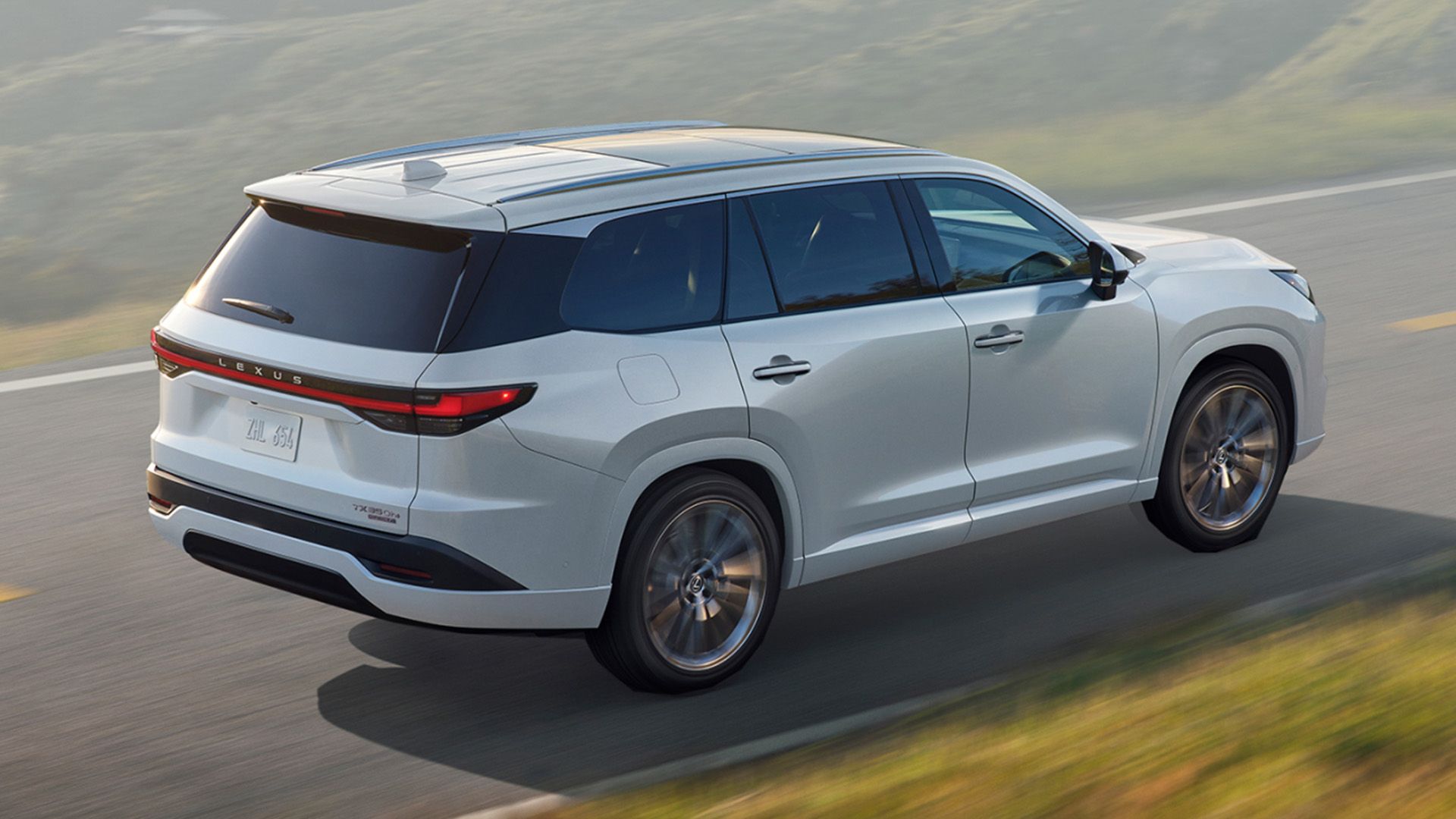
The most fuel-efficient full-size SUV in America for 2025 stands revealed: the Lexus TX 550h+ plug-in hybrid. It combines a 3.5-liter V6 engine with two electric motors. Together, they produce 404 net horsepower and 369 lb-ft of torque for towing and smooth passing. Under electric power alone, it travels up to 33 miles on a full battery, matching many smaller plug-in hybrids. Once the battery depletes, the TX 550h+ returns an EPA-estimated 29 mpg combined, outpacing all rivals in its class.
If you ask somebody who’s driven it, they’ll note its seamless shift from electric to hybrid mode. At city speeds, it operates quietly on electric drive. On highways, the V6 kicks in smoothly. The transition feels natural, with minimal hunting for gears. In tests, the SUV maintained near-rated fuel numbers in real-world driving, with some drivers noting 28-31 mpg after electric mode.
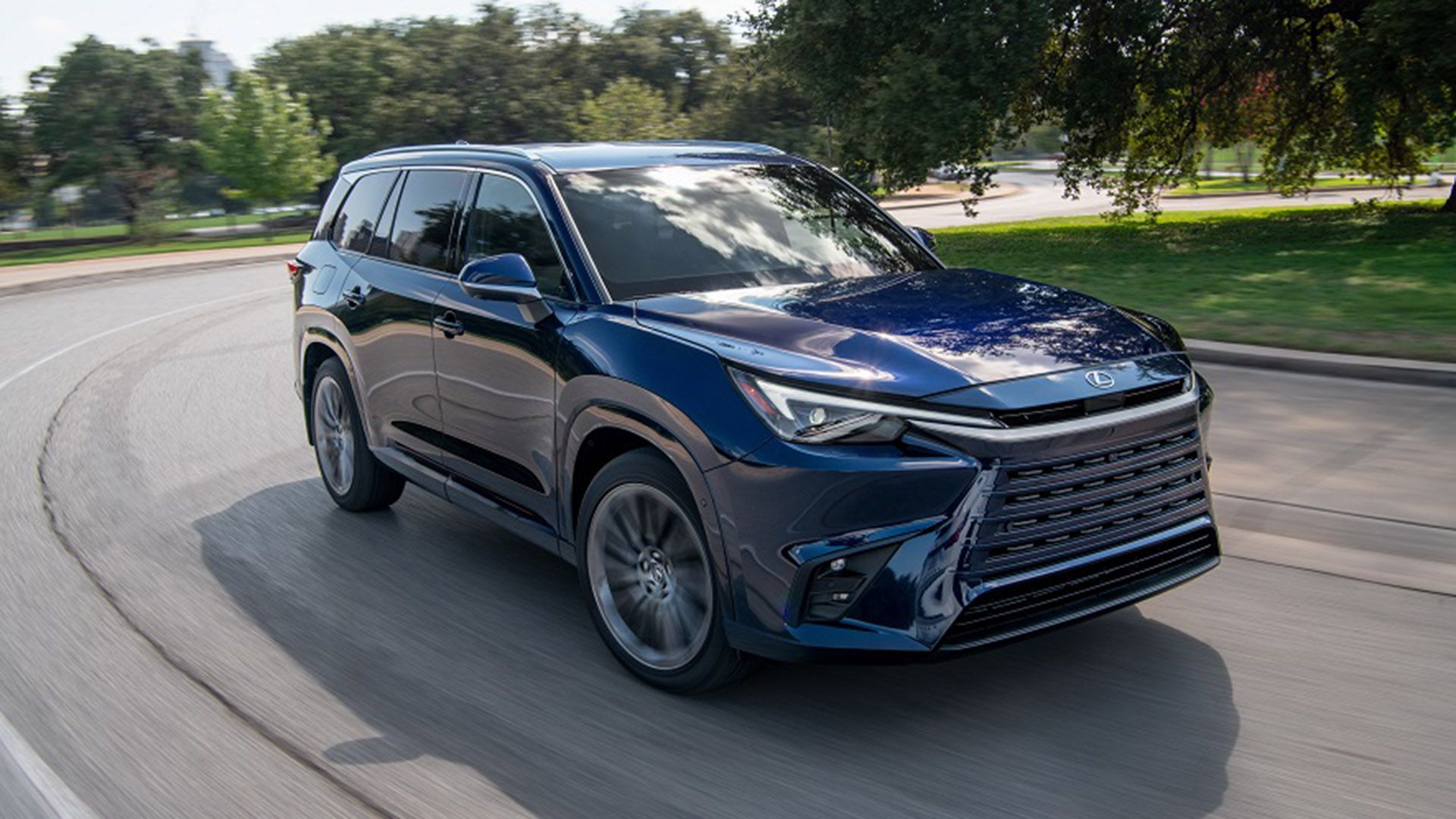
Despite its size – it weighs over 5,400 pounds – the TX 550h+ feels relatively agile. Engineers placed heavy battery packs low in the chassis. This design lowers the center of gravity and aids cornering. Standard all-wheel drive uses Lexus’ Direct4 system to shift torque between axles as conditions demand. On wet roads, it sends up to 50% of drive force to the rear wheels for better grip.
Fuel savings add up over time. With electric charging, many daily trips use zero gas. At home, a Level 2 charger refills the battery in about two hours. Charging at public stations works too. During long drives, the TX shifts into hybrid mode and blends gas and electric power. This hybrid fallback keeps stops infrequent and range worries minimal.
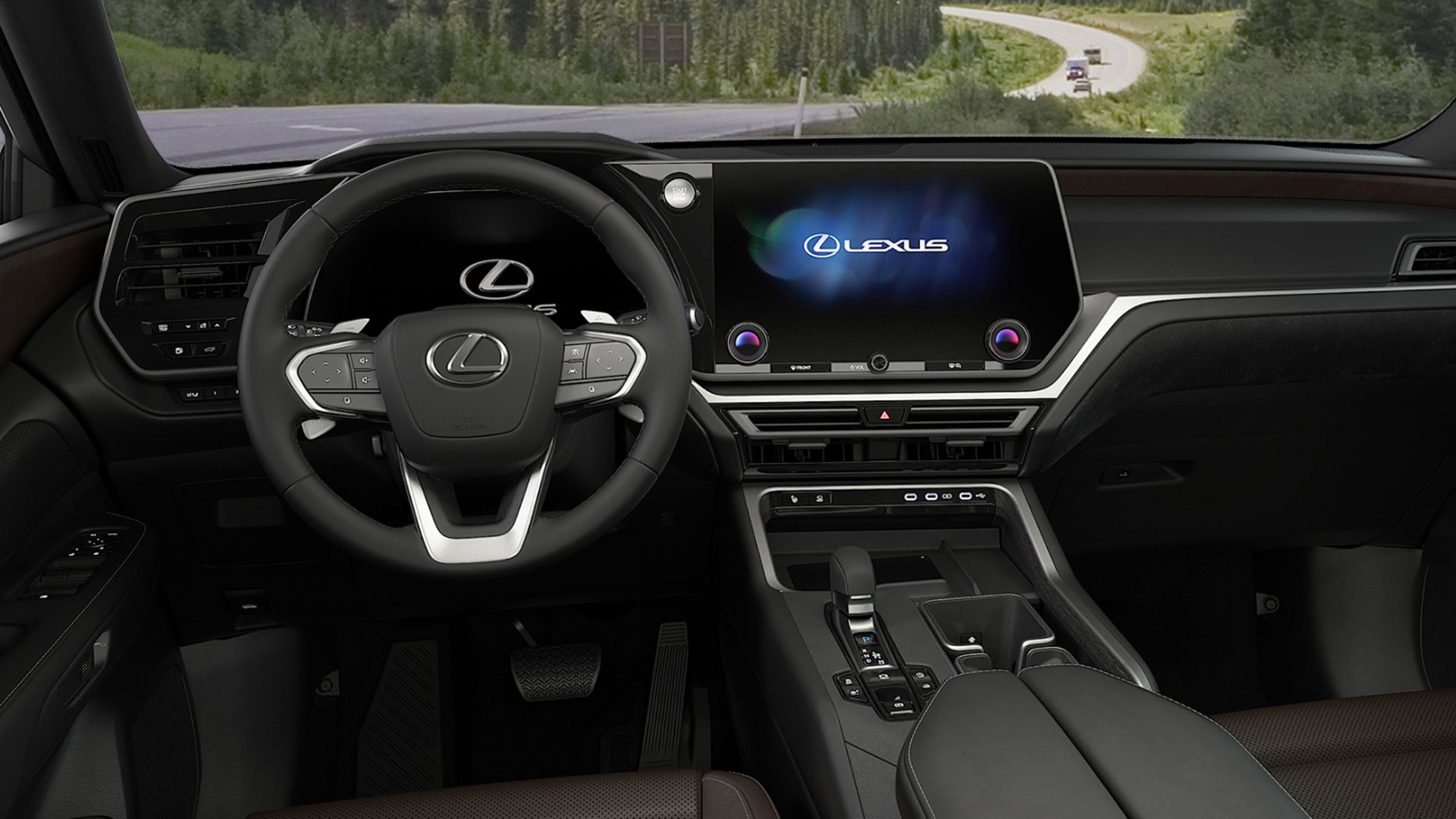
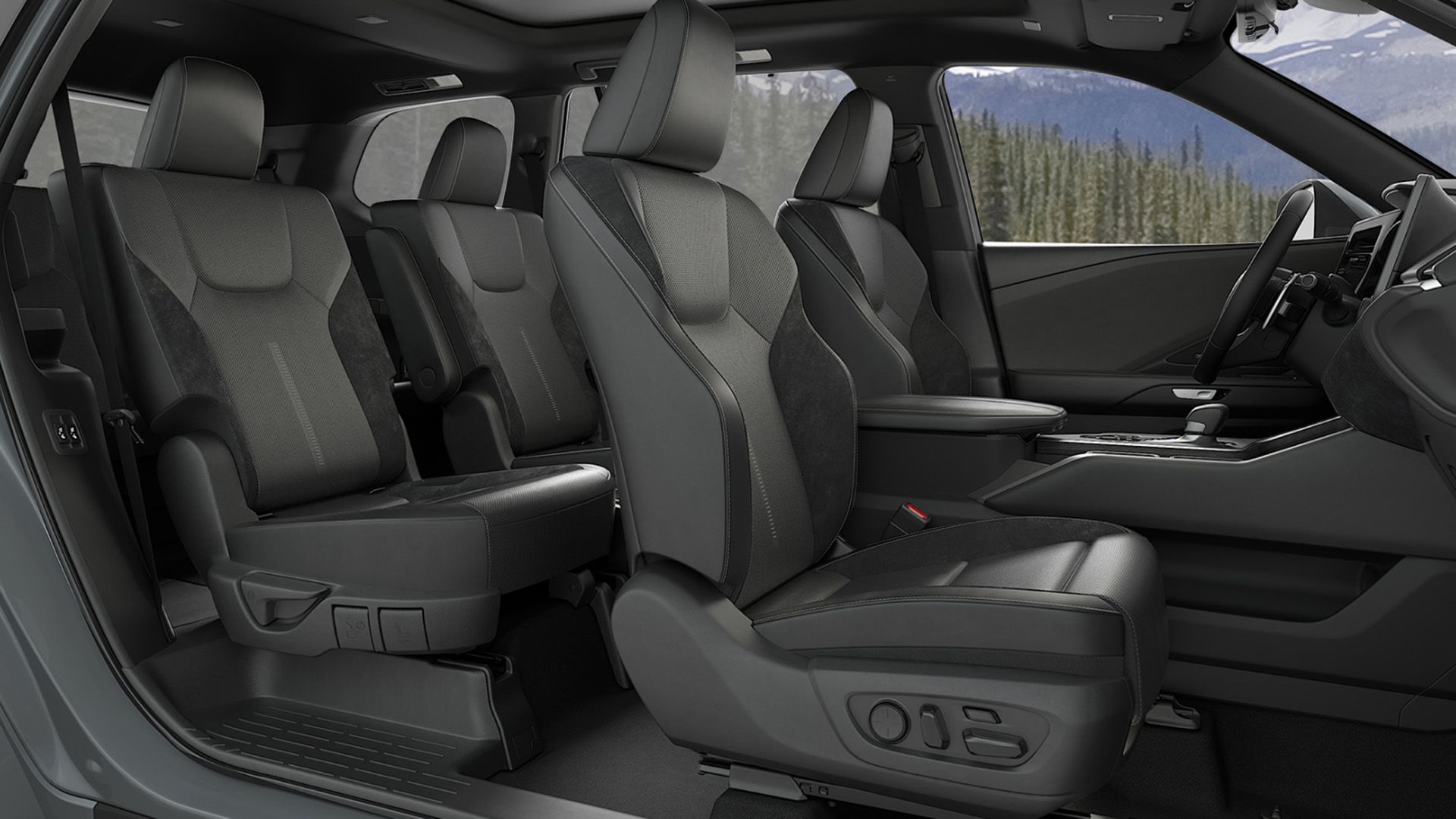
Inside, Lexus keeps its promise of quiet luxury. Sound insulation blocks road and wind noise. Under hard acceleration, the engine hum remains muted. Even with alloy wheels up to 22 inches, the ride stays smooth over potholes and rough pavement, though some reviewers note that it’s not as smooth as some other competitors in the segment. Passengers experience plush seats and climate zones that maintain comfort without wasting power.
Overall, the TX 550h+ leads full-size SUVs in fuel efficiency without sacrificing the luxury and capability that buyers expect from Lexus. It redefines what a large SUV can be: both a gentle torque monster and a careful steward at the pump.
Related
The Most Fuel-Efficient Gas Cars For 2024, Ranked
A look at thrifty gas-only vehicles (no hybrids or EVs) that go the extra mile.
Large Battery, Smooth CVT, And Lots Of Tech
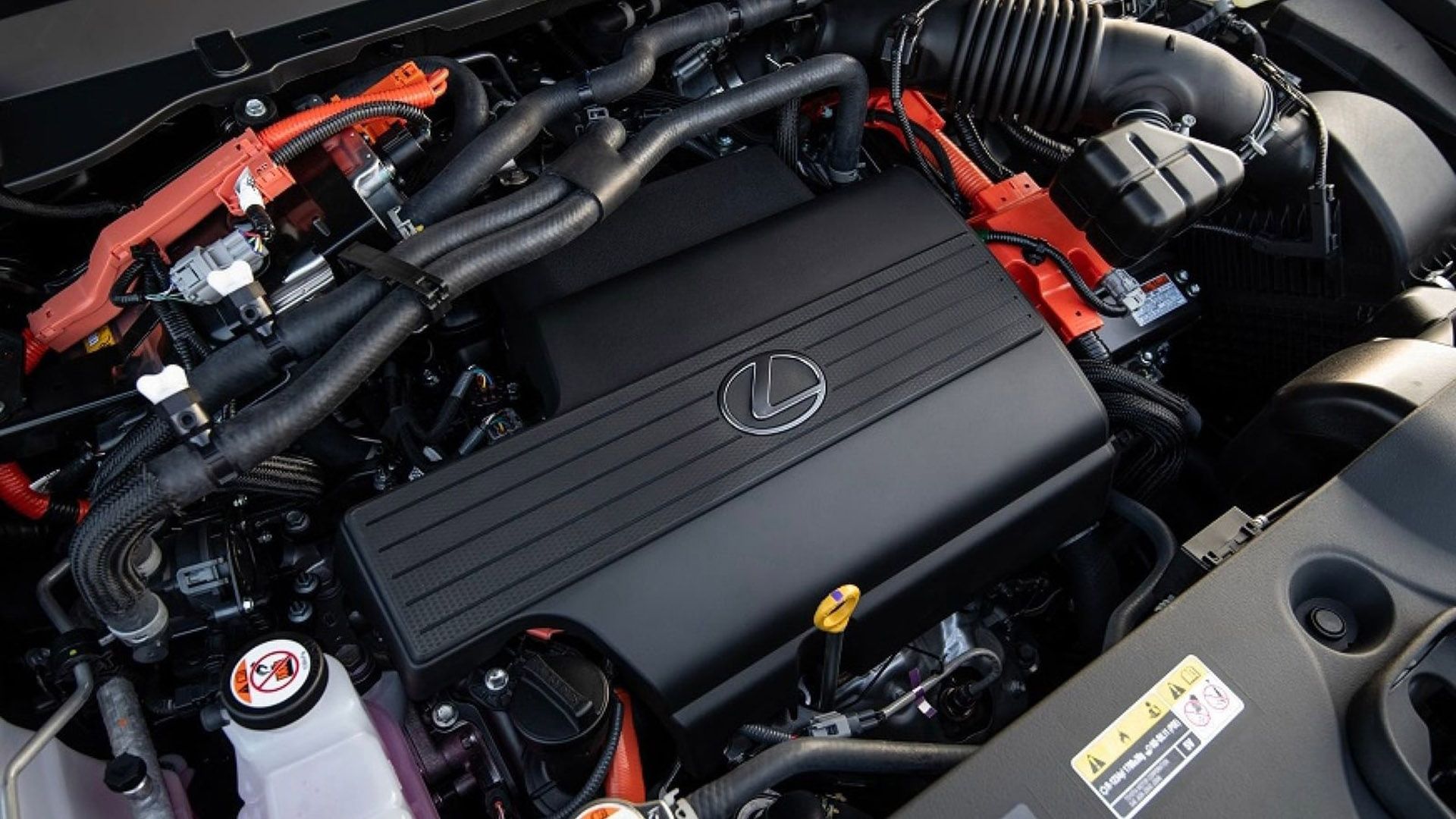
Lexus packed the TX 550h+ with tech that boosts efficiency and comfort. At its heart sits an 18.1 kWh lithium-ion battery pack. It rests beneath the floor to save space for three rows of seats. The pack feeds two electric motors – one at each axle – to power up to 84 mph on electric drive alone. When plugged in, the SUV gains 33 miles of zero-emission range.
An eCVT transmission blends engine and motor power. There are no shift shocks or delays. Drivers control drive modes via a dial. Modes include Eco, Normal, Sport S, and Sport S+. Sport S+ sharpens throttle response and uses more electric torque for quicker acceleration. Eco limits power to stretch battery life and gas mileage. Normal balances both for everyday use. A separate EV mode lets the TX run solely on electricity until the battery nears depletion.
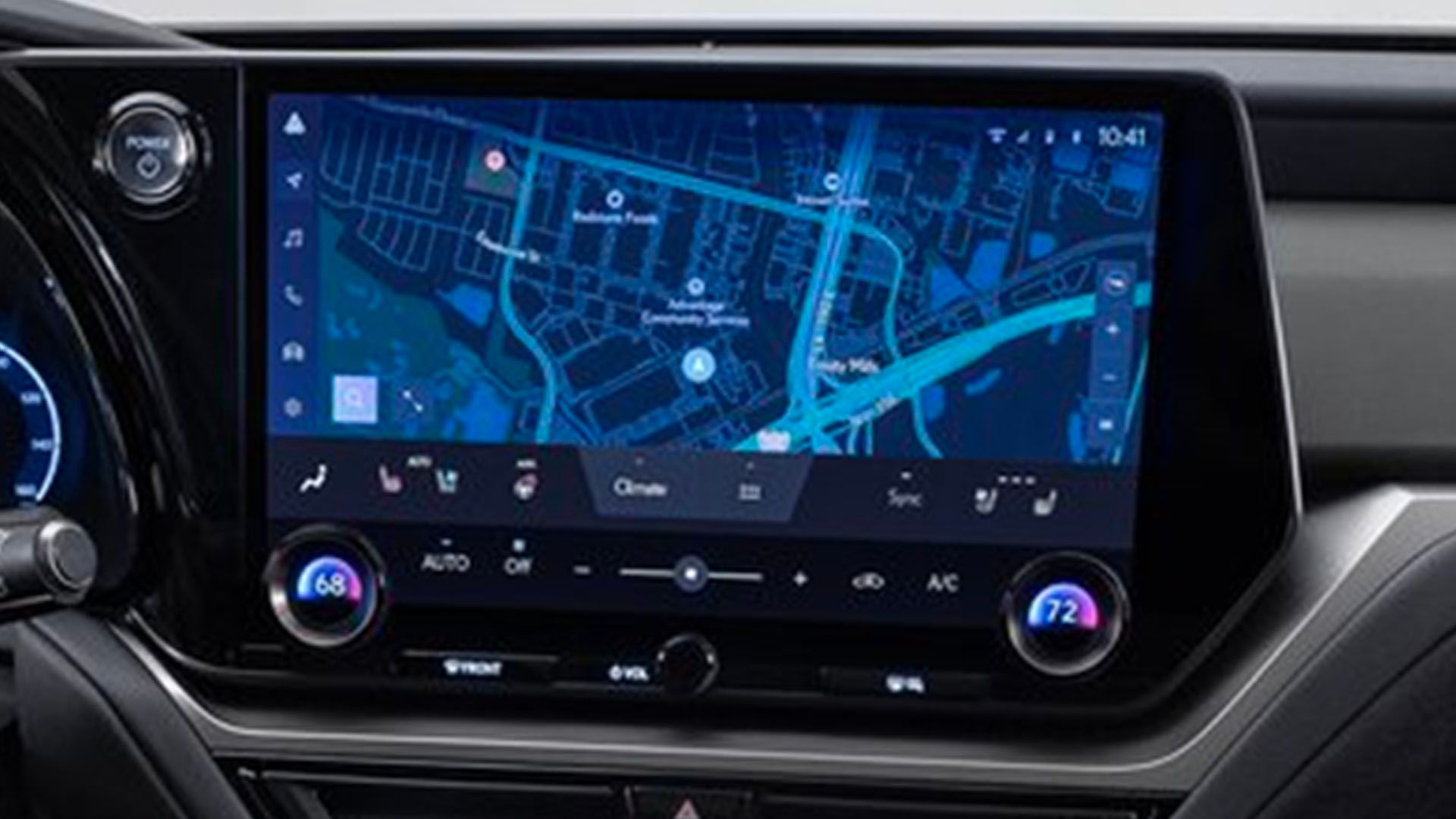
The infotainment system centers on a 14-inch touchscreen. Wireless Apple CarPlay and Android Auto come standard. A 12.3-inch digital gauge cluster displays energy flow, drive mode, and charge status. An available head-up display projects speed and navigation cues onto the windshield. Bluetooth charging pads, USB-C ports, and 21-speaker Mark Levinson audio keep passengers engaged.
Safety tech flows from the Lexus Safety System+ 3.0 suite. It includes pre-collision assist with pedestrian detection, lane tracing, road sign assist, and dynamic radar cruise control. A surround-view camera aids parking in tight spots. The optional Advanced Park package enables hands-free parallel and perpendicular parking. Traffic Jam Assist automates low-speed driving in highways under 40 mph.
Chassis and suspension design also play tech roles. Front MacPherson struts and a rear multi-link setup deliver balance between comfort and handling. Engineers added extra welds and adhesives to the GA-K platform shared with the Toyota Land Cruiser. This stiffens the body and reduces noise, vibration, and harshness (NVH). Hydraulic engine mounts and active grille shutters further tame noise and improve aerodynamics.
Lexus also outfitted the TX 550h+ with Direct4 all-wheel drive. It constantly monitors traction and shifts torque front to rear in milliseconds. If the front wheels slip, up to 50% of drive force routes to the rear. On dry pavement, most torque stays up front to save energy. This active system cuts fuel use compared to full-time mechanical AWD.
Lastly, the TX’s charging tech supports both Level 1 and Level 2 charging. A 120-volt outlet in the cargo area powers devices or serves as a makeshift camp power source. At home, a 240-volt station fully charges the battery in about two hours. Public fast chargers add range, though the TX’s battery lacks DC fast-charge capability.
The King Of Efficiency Is Not The King Of Sales, Though
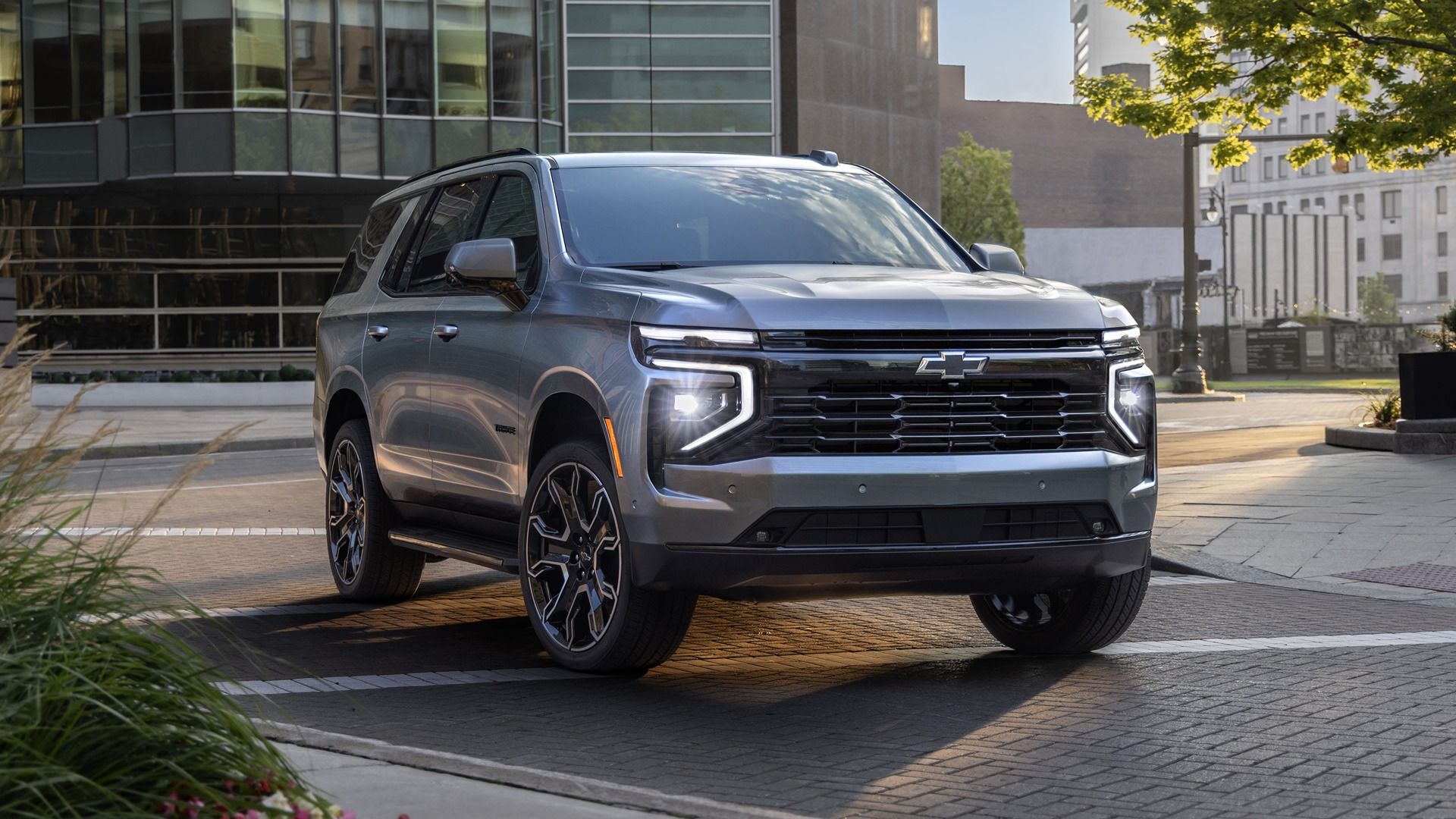
Despite topping the efficiency charts, the TX 550h+ plug-in hybrid represents just a sliver of Lexus’s full-size SUV sales. Through May 2025, Lexus has moved 20,418 TXs, a jump from 18,965 over the same period last year
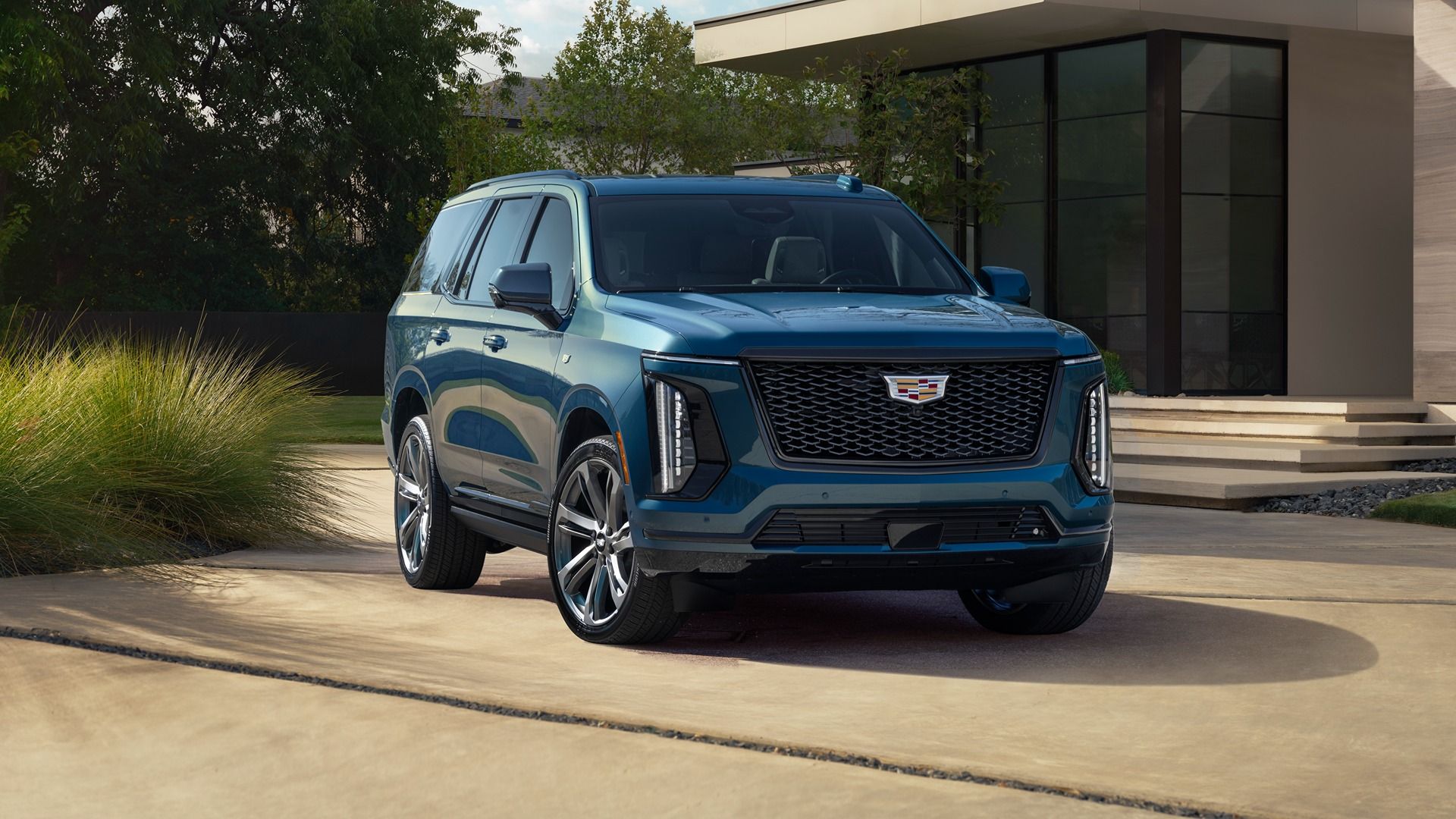
By comparison, some gas-only full-size SUVs easily dwarf those figures, data from Good Car Bad Car reveals. The Chevrolet Tahoe sold 10,613 units in May 2025 alone and 50,660 year-to-date. The Ford Expedition notched 11,298 in May, bringing its YTD total to 35,896. The GMC Yukon recorded 8,719 May sales and 40,440 through May, while the Cadillac Escalade posted 4,734 in May and 23,932 year-to-date. In the Lexus world, most buyers still gravitate toward the TX 350’s lower price and simpler powertrain – or the TX 500h hybrid’s extra horsepower – rather than the premium charged for plug-in capability. The TX 550h+ starts around $72,100, compared with $53,000 for the TX 350. That steep sticker deters cost-conscious shoppers, even with projected annual fuel savings of over $1,200.
Meanwhile, heavy-duty buyers who tow large trailers often prefer V8-powered rivals like the Ford Expedition (up to 9,300 lb) or GMC Yukon (up to 8,400 lb), which also move far more units. As a result, the TX 550h+ remains a niche choice – admired for its efficiency but outsold by both its Lexus siblings and traditional full-size SUVs. The main target for the 550h+ remain urban drivers and green-minded buyers, who value short-trip electric mode, low tailpipe emissions, and luxury touches.
Luxury SUVs such as Cadillac Escalade and Lincoln Navigator outsell Lexus in raw volume, too. These rivals push high trims beyond $100,000, yet buyers pay extra for brand cachet and larger V8 power. The TX 550h+ counters with advanced hybrid tech and quieter ride. Yet, its niche status keeps sales modest compared to the broader full-size SUV pool.
Other Efficient Full-Size SUVs
While the TX 550h+ leads, other full-size SUVs chase efficiency. The Lincoln Aviator Grand Touring plug-in hybrid offers 455 hp and 21 miles of electric range. It returns 23 mpg combined after charge and tows 6,700 pounds. Its luxury cabin rivals Lexus with a panoramic roof, massaging seats, and 28-speaker Revel audio.
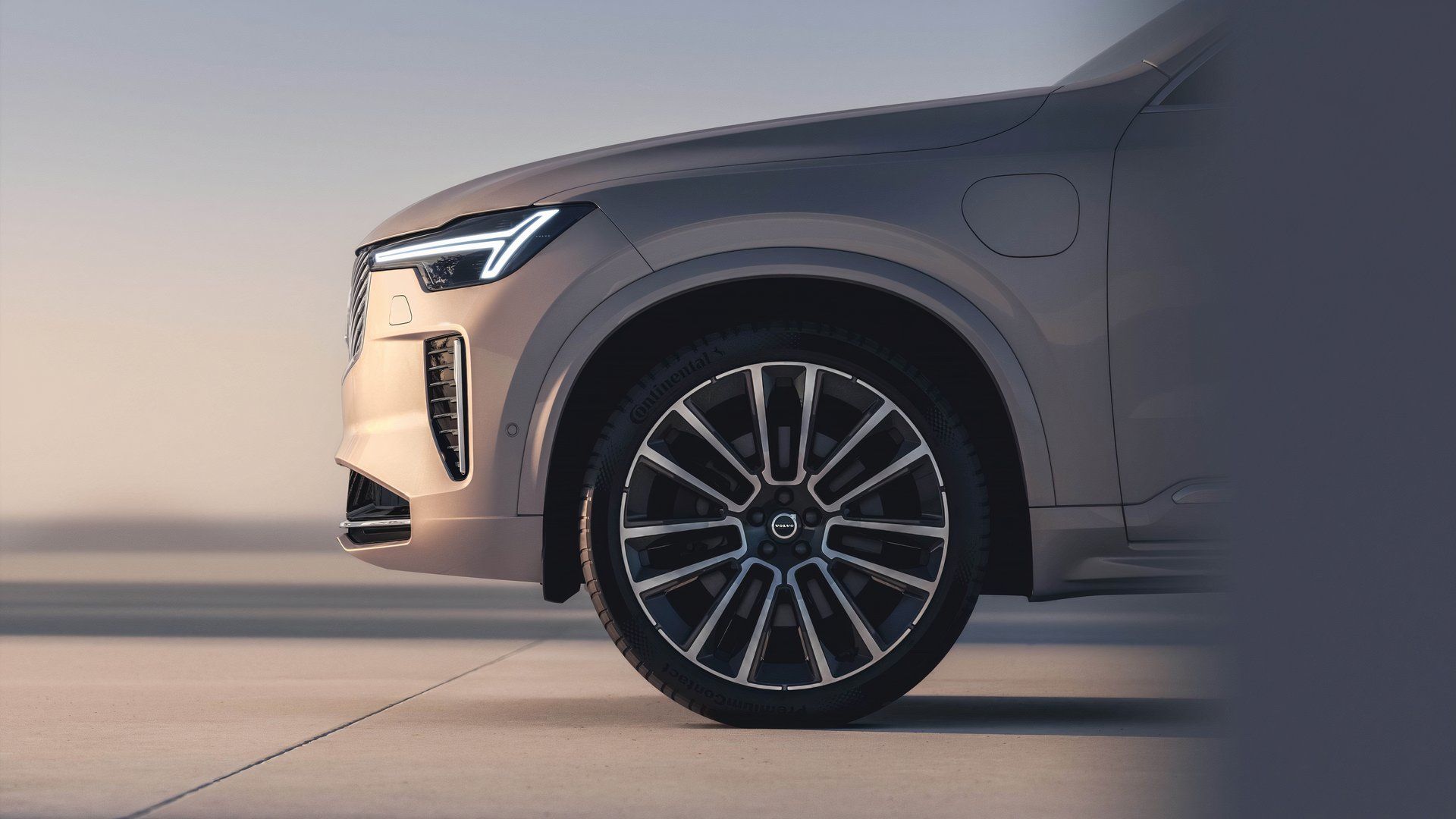
The Volvo XC90 Recharge provides 35 miles of electric range. Its T8 plug-in hybrid earns 27 mpg combined and seats seven. Volvo’s safety suite tops the class, with Pilot Assist driver aid and 360-degree cameras. Buyers praise its Scandinavian design and rich materials.
The GMC Yukon Hybrid is another efficient full-size SUV. It uses GM’s two-mode system, which pairs a 5.3-liter V8 with electric motors for 28 mpg on highways. Its hybrid system adds instant torque and better city mileage than the gas-only model. Yet it lacks a plug-in option and pure electric driving.
Source: Lexus, Edmunds, Good Car Bad Car
link