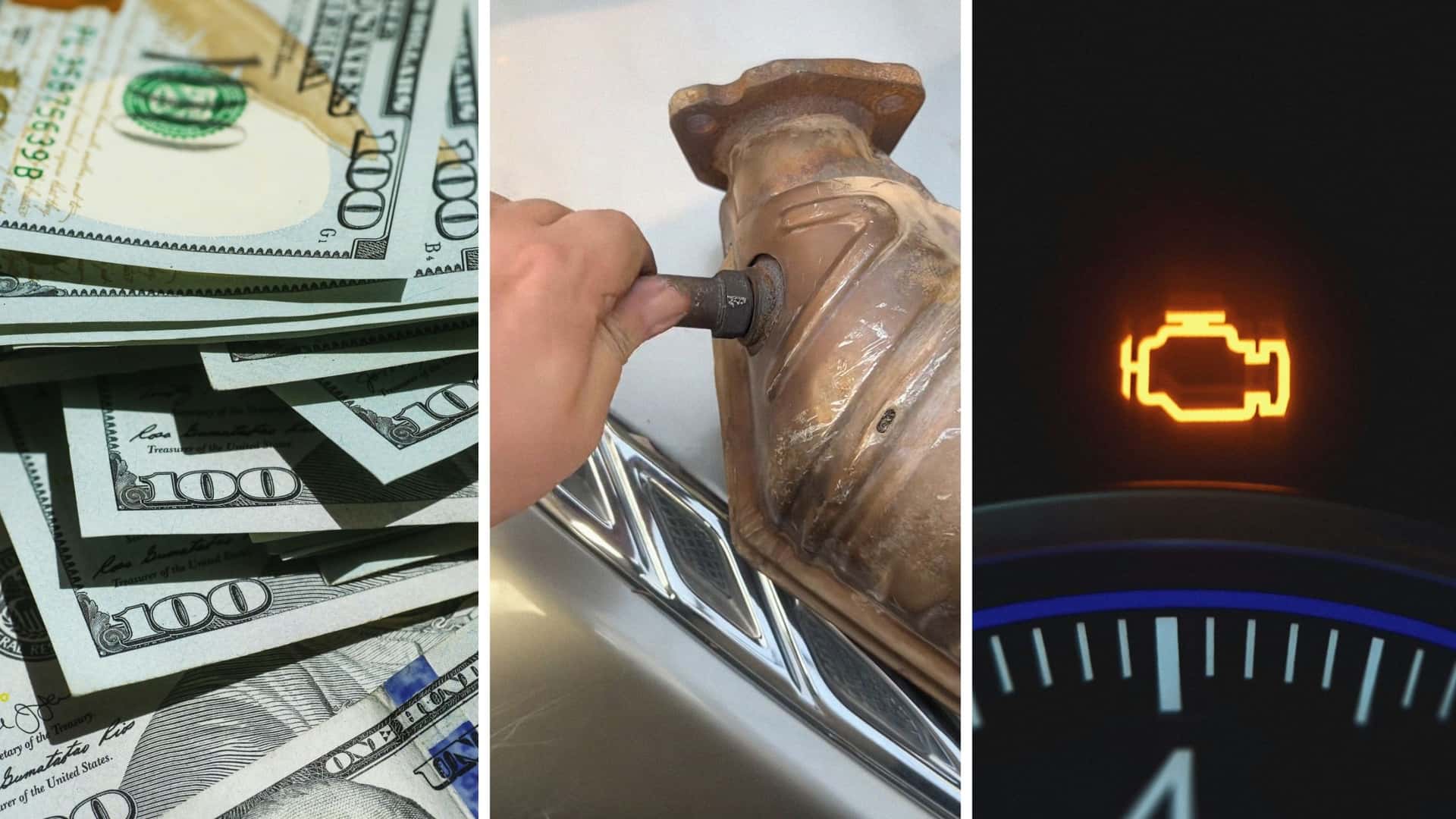
A mechanic says he turned a 10 miles-per-gallon (mpg) gas guzzler into a 40 mpg commuter with just a quick exhaust modification that he thinks every motorist should have installed. State inspectors and veteran technicians, however, say something very different: that the part doesn’t fix anything, and installing it is illegal.
The viral clip from creator Yuan (@ebdiknpxz7305) shows what appears to be a no-drama upgrade to a catalytic converter, which the mechanic claims is clogged. In less than a minute, the narrator says that a small filter screwed into the component has fixed the problem and will quadruple the gas mileage.
“High fuel consumption is often caused by a severely clogged (catalytic converter) or a faulty O2 sensor. Never use carbon deposit cleaner to clean the cat,” he says in the clip that’s been viewed more than 47,000 times. “With this filter, your sensor will work properly, and your car’s fuel efficiency will improve… after installing it, we’re getting 40 mpg.”
What the video refers to as a “filter” is also known as an oxygen sensor spacer. They are devices designed to sit between the exhaust stream and the downstream oxygen sensor, creating a small pocket of exhaust gas that affects the sensor’s readings. Instead of sampling the full flow of exhaust, the sensor picks up a diluted or delayed sample, which can make emissions readings appear normal even when they are not.
That’s an important distinction, since modern vehicles rely heavily on oxygen sensors to fine-tune air-fuel ratios and confirm that the catalytic converter is working properly. Intentionally isolating the sensor from the accurate exhaust readings causes the engine control unit to believe that conditions have improved, even though the underlying mechanical problem remains unchanged.
Veteran automotive technicians in the comments section were quick to point out that while the device may reduce warning lights or stabilize sensor readings, it does not repair a clogged catalytic converter or restore proper exhaust flow. When the converter is genuinely restricted, the engine still cannot breathe, leading to reduced performance and potential long-term damage.
The Reality Of Fuel Consumption
For the uninitiated viewer, the claim of quadrupling mileage on a poor-performing vehicle sounds tempting and tantalizing. Automotive experts, however, say the number itself deserves some scrutiny. Most vehicles calculate fuel economy with data from sensors that include oxygen readings, fuel injector timing, and engine load. If those inputs get distorted, then the displayed mpg can rise even if real-world fuel consumption hasn’t changed.
Practically speaking, that means the dashboard can report better mileage even if the car isn’t actually burning less fuel. Technicians often recommend hand calculating fuel economy by tracking miles driven against gallons pumped, so motorists can confirm whether a supposed gain is real. In situations where sensor spacers are used, manual calculations frequently fail to match the vehicle’s reported values. In other words, the math doesn’t math.
Other commenters warned that altered sensor feedback can push air-fuel ratios out of a vehicle’s optimal range. Over time, that can increase engine wear, reduce performance, or even damage other emissions components, thereby compounding repair costs rather than avoiding them.
Aside from the mechanical issues that could arise from installing such equipment, there’s also the question raised by multiple commenters about the legality of these installations. Under the federal Clean Air Act, tampering with or bypassing emissions control devices is prohibited nationwide. That rule is enforced by the Environmental Protection Agency, and it applies regardless of whether a state conducts emissions testing.
The Clean Air Act specifically bans “defeat devices,” defined as any component that reduces the effectiveness of an emissions control system. While many oxygen sensor spacers are sold online and marketed for off-road use, installing one on a street-driven vehicle exposes the owner to fines and required repairs.
There is a bit of legal hair-splitting going on over the issue, since the fact remains that the part can be legal to purchase but illegal to install in almost all cases. Inspectors and states with emissions programs are trained to look for these modifications, and even in states without routine testing, federal law still applies.
“Those are legal to buy, illegal to install. I’m a state inspector and always look for these,” one person commented on the post.
A Tempting Upgrade
It’s hard to blame an owner trying to solve a fuel consumption issue on the cheap, even if it is a little legally dicey. A vehicle getting only 10 mpg is typically experiencing a serious mechanical fault, such as a severely clogged catalytic converter, a failed oxygen sensor operating outside specification, engine misfires, or a rich-running condition caused by fuel delivery issues. In those cases, addressing the root cause rather than masking sensor data is the only way to restore proper efficiency.
While more legally sound, those repairs can add up in a hurry, especially when replacing a catalytic converter on new vehicles, where the precious-metal content drives up costs from $300 to $2,500. That said, experts still caution that delaying or avoiding legitimate repairs often leads to higher expenses later, especially if engine performance deteriorates or additional components are damaged.
Several technicians in the comment thread emphasize that proper diagnostics using scan tools and confirming sensor performance remains the safest path forward, even if the answers aren’t as cheap or fast as a viral fix may promise.
Motor1 reached out to the creator via direct message and comment on the clip. We’ll update this if they respond.
link
About the Author