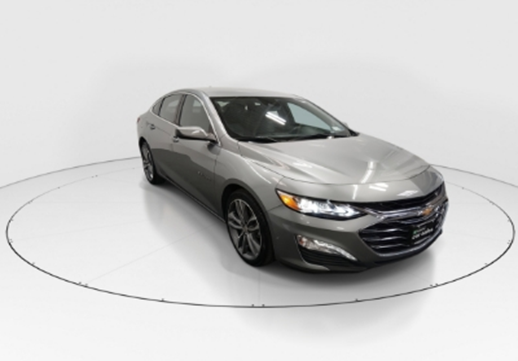

Climate Change has reshaped shopping and purchasing a car, experts say
Cleaner vehicles decrease the demand for oil, a key climate goal the EPA supports.
Climate change is a long-term transition in the average weather patterns that have come to define Earth’s local, regional, and global climates, according to experts.
Symptoms of climate change, like more frequent and intense extreme weather events, rising sea levels, and warmer oceans, manifest as altered precipitation patterns, leading to more severe droughts, flooding, and heatwaves, according to the National Aeronautics and Space Administration.
Climate change has also reshaped the car-buying process. Here are the different ways that climate change is transforming purchasing a new vehicle from various sources, including the U.S Environmental Protection Agency.
- Consumers increasingly opt for electric and hybrid vehicles due to concerns over carbon dioxide emissions and fuel efficiency. EV sales now exceed 25% of U.S. new car sales, up from 2% in 2020.
- Customers increasingly value automakers’ ESG performance: Brands with transparent governance and social responsibility boost consumer trust and influence purchasing decisions.
- Studies show that consumers’ climate change awareness correlates with stronger intent to buy EVs; factors like attitude, social norms, and perceived behavioral control significantly drive EV adoption.
- Rising temperatures and extreme weather impact vehicle climate control systems, prompting buyers to consider HVAC efficiency, battery performance in heat, and component longevity.
- Availability of charging networks and eco-friendly urban infrastructure significantly shapes consumer choices in favor of EVs, especially in coastal and urban areas with stricter emission regulations.
Direct impacts on the market
- Buyers see more options for hybrids and EVs, reducing their carbon footprint.
- Lower running costs for electric cars can offset higher initial prices over the vehicle’s life.
- Buyers navigate choices between upfront cost, fuel savings, performance, and range as tech evolves.
- The growing EV market means greater reliance on a developing charging network.
How regulations affect car buying
- Cleaner vehicles decrease the demand for oil, a key climate goal the EPA supports.
- The EPA sets greenhouse gas standards for vehicles, forcing automakers to produce cleaner cars, leading to more EVs, hybrids, and fuel-efficient gasoline models in showrooms.
- Regulations drive manufacturers to electrify their fleets, giving buyers more choices in electric and plug-in hybrid vehicles.
- While cleaner cars might have higher initial sticker prices, the EPA highlights that fuel and maintenance savings can make them cheaper to own over time, though buyers often focus on the purchase price.
- Consumer demand, influenced by price, range, and charging, causes market shifts, with some companies adjusting EV offerings, showing how climate goals meet consumer reality.
- The shift to EVs highlights the need for better charging infrastructure, which the EPA considers alongside technology.
This reporting content is supported by a partnership with several funders and Journalism Funding Partners.
Erica Van Buren is the climate change reporter for The Augusta Chronicle, part of the USA TODAY Network. Connect with her at [email protected] or on X: @EricaVanBuren32.
link
About the Author