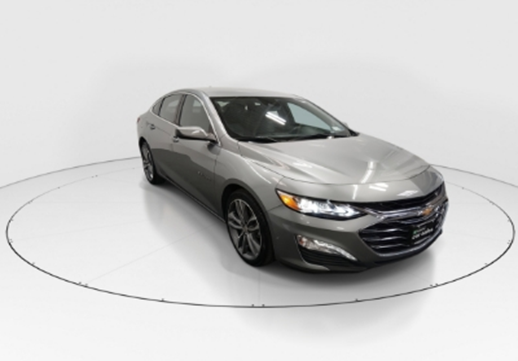
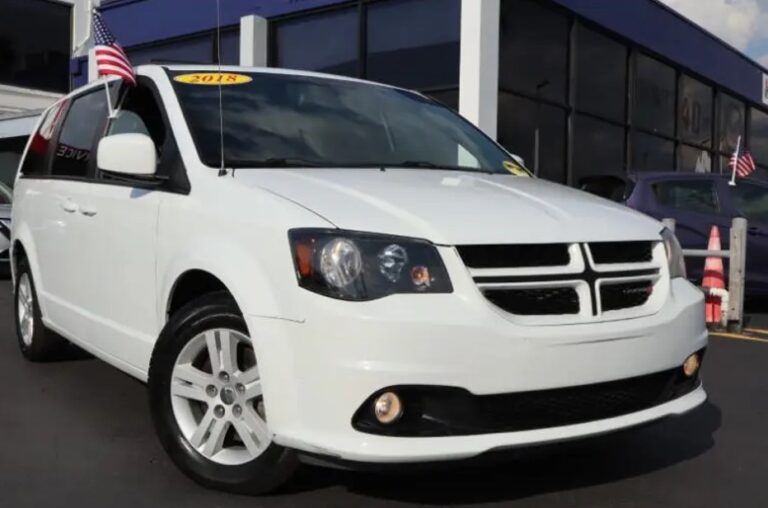
The American dream has always included car ownership as a rite of passage. In the United States, car ownership is often necessary for commuting to work, taking children to school, running errands, and more. A car is also a major part of a household budget and financial planning. How an individual or household uses vehicles impacts not only personal budgeting but also the ever-evolving auto insurance market.
Insurers evaluate risk and set premiums based on several factors. They take into account how many cars the household owns, how often and where they’re driven, such as city highways or rural roads. Car ownership trends directly influence auto insurance costs and fluctuations. Drivers and policymakers can examine trends to understand why insurance is rising or changing in certain areas of the country.
The auto insurance industry has to balance risk exposure with premium affordability and has to take into account widespread car ownership, demographic shifts, and evolving travel behavior. Additionally, the rising costs of vehicle repairs, medical claims, and accident frequency also affect premiums.
Car Ownership in the U.S.: What the Numbers Show
Car ownership is essential for most households in the United States, depending on where they live. Urban areas like Boston or New York often have robust public transit and have higher rates of households without vehicles. The opposite is true in regions like Montana, with nearly two registered vehicles per person.
In 2024, it’s estimated that there were 296.6 million registered vehicles in the U.S. This number shows just how important and prevalent car ownership is nationwide. Roughly 92% of households own at least one vehicle, 37% percent own two, and 22% own three or more cars. This means many Americans use and maintain more than one vehicle.
These statistics are relevant to auto insurers for several reasons. A large fleet of vehicles on the roads indicates an increase in potential claims. Nearly half of households own two or more cars, and more driving correlates with exposure to accidents. This reality, in addition to more licensing, means more insurance coverage is required.
How Ownership Patterns Drive Insurance Premiums
Auto insurance is dependent on risk assessment. Insurance companies determine the likelihood of a policyholder filing a claim and the potential cost of that claim, and then base the premium for that client on that assessment.
An important part of that assessment calculator is vehicle ownership. A household that has more than one vehicle will have more miles driven overall because the family is likely using those cars for commuting, errands, school runs, and long-distance travel. The more vehicles are used, the higher the probability of accidents and claims occurring. Insurers may adjust premiums upward in regions with high car ownership to account for the greater chances of an accident and claim.
Vehicle type also affects insurance. SUVs and pickup trucks are very popular and dominate the vehicle register. These larger vehicles are usually more expensive to insure, depending on factors such as crash risk, repair costs, and safety ratings. Since repair costs for larger vehicles are often more expensive, their collision claims are also higher.
Household composition also affects insurance premiums. For example, older drivers might own more cars, but drive fewer miles. A younger family with children might use the vehicles they own more often. These behaviors are taken into account and influence risk models, which affect the premiums drivers pay.
Regional Variations and Claims Frequency
Insurance pricing is also dependent on geography. Areas with high vehicle ownership are more likely to have traffic congestion, which increases the chances of collisions and costly claims.
Higher average premiums are common in high-density regions due to there being more cars on the road. Meanwhile, rural areas might see fewer collisions because there are fewer cars on the road, but those vehicles often have higher average mileage, which raises exposure to road risks.
When insurers refine risk pools and set pricing, they take into account market segmentation, dividing their customers into groups based on urban versus rural, high ownership versus limited ownership, and other variables. Regional driving patterns are also taken into account, and insurers rely on historical claims data. States with higher population densities and vehicle interaction rates often experience more claims, which results in a higher base rate for coverage. States with lower vehicle density may offer more competitive pricing.
Technology and Ownership Trends Are Influencing Risk
Modern cars are coming off the factory floor with technological advancements that are affecting ownership trends and insurance costs. Modern cars have advanced safety features like automatic emergency braking and lane assist. These tech enhancements can lower the frequency of accidents and the severity of those collisions. Vehicles with these features may have their premiums reduced.
It has to be taken into account that these advancements can also raise repair costs when an accident does occur. Insurers factor tech such as sensors, cameras, and high-tech components into claims cost modeling since these high-tech components are expensive to repair. While safety tech can reduce the number of claims, the cost of those claims may be significantly higher than older, simpler vehicles.
Future Ownership Trends: What It Means for Insurance
Economic pressure can affect household budgets, making people reconsider the number of vehicles they own or compel them to adopt other transportation options like ride-sharing or micro-mobility options like e-scooters, e-bikes, and other lightweight vehicles for short-distance travel.
Though nationally, vehicle ownership remains high and deeply ingrained in American life, in some major metropolitan areas, ownership rates have become stagnant or even declined. Public transit and ride-share options are widely available in cities, making it easier to transition away from owning a vehicle. New trends are emerging that could change the conditions of ownership and insurance. Autonomous vehicles and electric vehicle adoption are growing in popularity.
Premiums for usage-based insurance are determined by a policyholder’s actual driving behavior, which is monitored through telematics. It is already gaining traction in the industry and may become more prevalent in the future.
Ownership patterns will continue to evolve alongside technology and will influence premium pricing, underwriting strategies, regional rate differences, and product innovation. Keeping abreast of these trends might be essential for both drivers and insurers as the insurance industry continues to evolve.
The information provided in this article is for general informational and educational purposes only. It is not intended as legal, financial, medical, or professional advice. Readers should not rely solely on the content of this article and are encouraged to seek professional advice tailored to their specific circumstances. We disclaim any liability for any loss or damage arising directly or indirectly from the use of, or reliance on, the information presented.
link
About the Author