Apple introduced new display technology to the iPad Pro in 2024, marking the first time that OLED has been used for a larger screen. Both the 11-inch and 13-inch models have new Ultra Retina XDR displays, an upgrade over the prior respective LCD and mini-LED displays.
The Ultra Retina XDR displays use tandem OLED, a technology that actually combines two OLED panels to improve brightness and HDR performance. Apple says color and luminance are controlled down to the submillisecond, making it more responsive to content in motion.
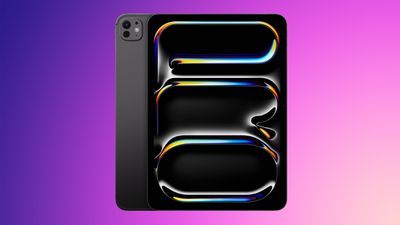
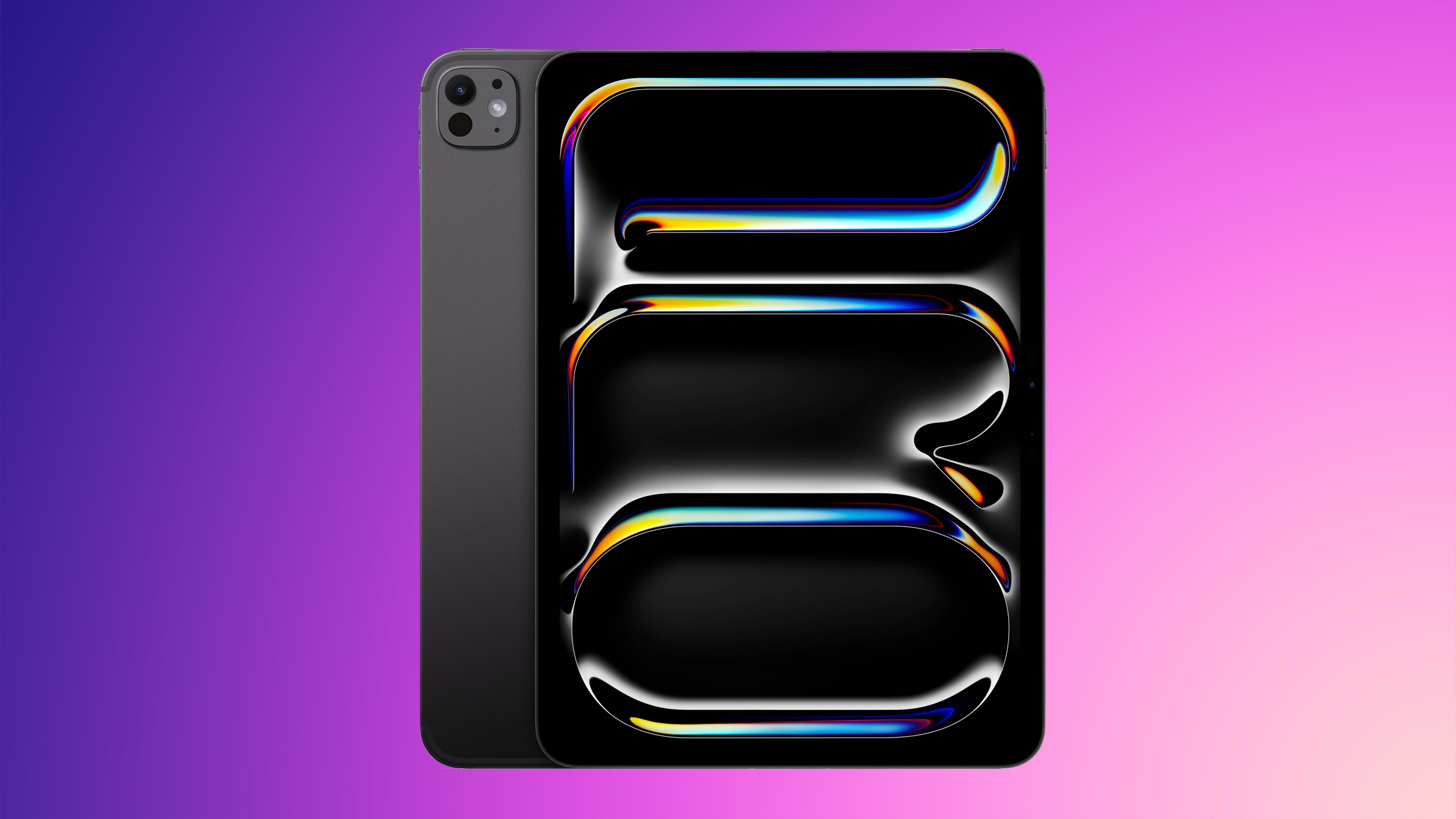
According to Apple, the iPad Pro has the world’s most advanced display with “extreme brightness” and “precise contrast.” The OLED display features 1,000 nits full-screen brightness, 1,600 nits peak HDR brightness, and a 2,000,000:1 contrast ratio. That’s actually the same brightness as the prior mini-LED display, but contrast is improved and that improves the overall look of the display.
Users can expect more true-to-life details and accurate reflections of light in HDR images, making them more vibrant and realistic. Blacks are deeper for more detail in low light and shadows.
1TB and 2TB iPad Pro models can be upgraded with nano-texture glass, which has a matte finish. Nano-texture glass has etching at the nanometer scale, for the same image quality with less glare.
The 11-inch iPad Pro has a resolution of 2420×1668 with 264 pixels per inch, while the 13-inch iPad Pro has a 2752×2064 resolution, also with 264 pixels per inch.
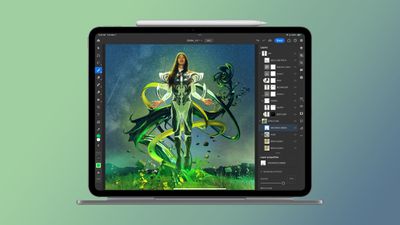
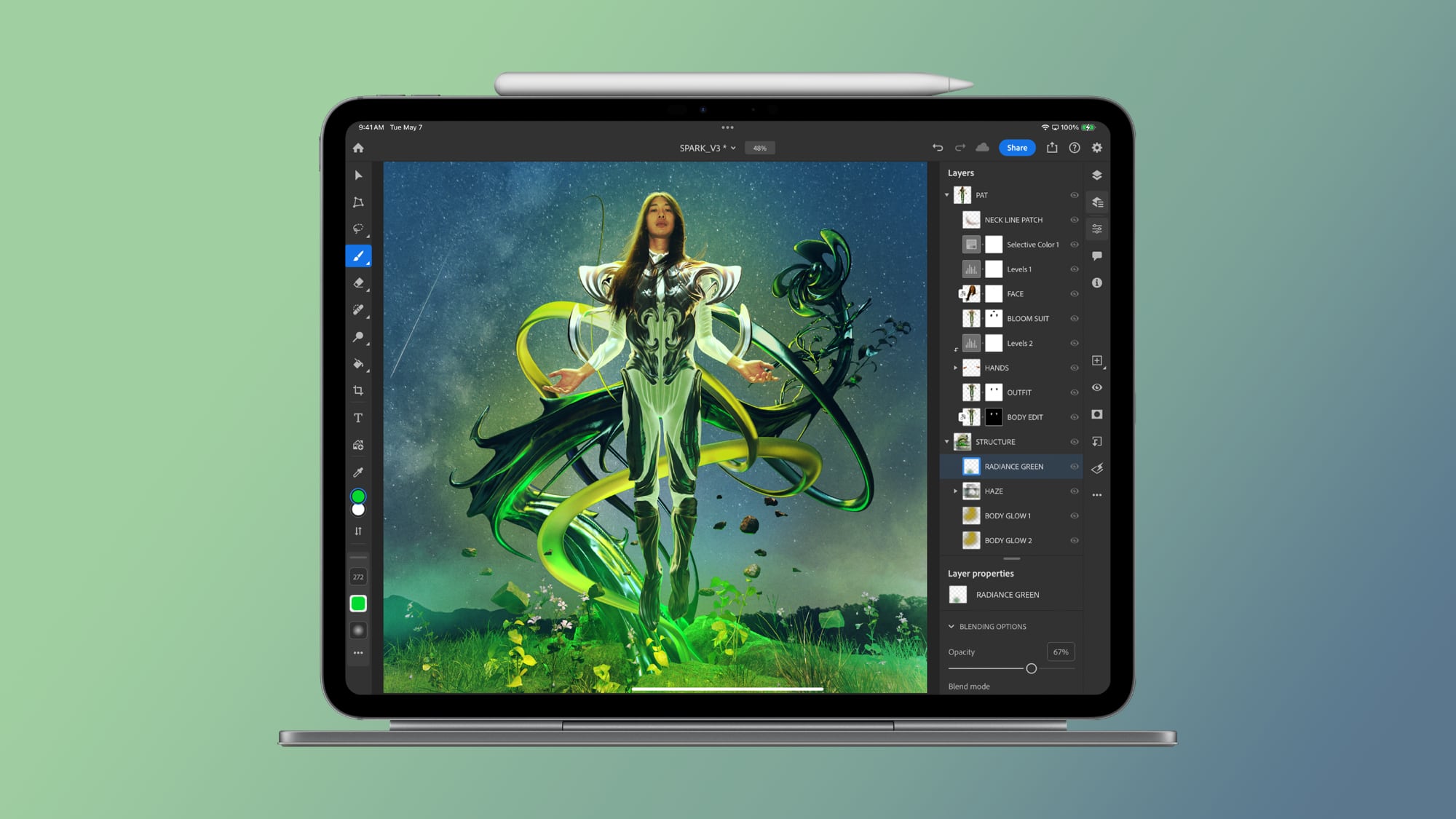
Other features include an anti-reflective and fingerprint-resistant coating, P3 wide color for rich, vivid colors, and True Tone for adjusting the display to match the white balance of the ambient lighting in the room to make the screen easier on the eyes.
Both iPad Pro models support ProMotion display technology with a variable refresh rate from 10Hz to 120Hz. With ProMotion at 120Hz, content in motion on the screen is smoother, crisper, and more responsive for scrolling, gaming, and watching movies.
Face ID and TrueDepth Camera System
Instead of authenticating and unlocking through a Touch ID fingerprint system, the iPad Pro uses the Face ID feature that Apple has been adding to its products since 2017. Face ID can be used for unlocking the iPad, allowing access to third-party passcode-protected apps, confirming purchases, and authenticating Apple Pay payments.


Face ID uses sensors and cameras built into the top bezel of the iPad Pro, and Apple calls its multi-component setup the TrueDepth camera. To create the scan of your face that is used for authentication purposes, a dot projector projects over 30,000 invisible infrared dots onto your face. The dot map is read by an infrared camera and the structure of your face is relayed to the M4 chip in the iPad Pro where it is transformed into a mathematical model.
It takes just a fraction of a second for the iPad Pro to scan your face, recognize you, and unlock the device. Face ID is more secure than Touch ID, and it is unable to be fooled by a photo, mask, or other facial imitation. An “Attention Aware” security feature makes sure your iPad Pro only unlocks when you look at it with your eyes open, so it knows not to work when there is not a live person in front of it.
Face ID data is encrypted and stored in the Secure Enclave of the M4 chip. Authentication happens on-device, with no data stored in the cloud, sent to Apple, or accessible by apps.
Apple has designed Face ID to work in the dark, when wearing sunglasses, and with the face partially obscured by beards, glasses, makeup, scarves, and other accessories. Face ID is also able to adapt to changes in the face, so if you are slowly growing out a beard or your hair, it continues to recognize you. Face ID on the iPad Pro works in both landscape and portrait orientation.
Selfie Camera
The front-facing TrueDepth camera system includes a 12-megapixel Ultra Wide sensor for selfies and FaceTime videos. This year, Apple moved the location of the camera from the portrait top edge of the iPad to the landscape top edge.
With the new location of the camera, it is in a naturally centered orientation when the iPad Pro is in landscape mode, such as when it is used with the Magic Keyboard. The camera is located in the same spot that it is located on a MacBook and the iPad no longer needs to be turned to portrait mode to have a video call look right when accessories are attached.
The camera supports Center Stage, a feature that automatically keeps users perfectly framed during video calls. Center Stage can pan to keep users in the shot as they move around, and it works with FaceTime and other video apps. Other supported features include Portrait mode, Portrait lighting, and Animoji and Memoji.
link
About the Author