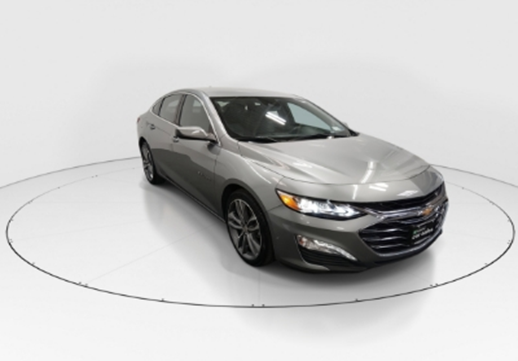
Understanding the Foundation: Why Your Rims Matter
When discussing automotive upgrades, the focus often lands on engine power or aerodynamic enhancements. However, the wheels and tires are your car’s sole connection to the road – the critical interface that dictates grip, handling, and even safety. More than just a cosmetic element, your rims are integral to your vehicle’s performance, dynamics, and overall driving experience. Choosing the right set involves understanding a blend of technical specifications, material science, and aesthetic considerations to perfectly complement your car and driving needs.
Decoding Wheel Anatomy: Essential Parameters for Perfect Fitment
Selecting new rims can seem daunting due to the array of technical jargon. However, understanding these fundamental parameters is key to ensuring a perfect fit, optimal performance, and avoiding costly mistakes.
- Diameter (R): Measured in inches, wheel diameter refers to the overall size from one edge to the other. A larger diameter generally allows for a wider tire with a lower profile, which can improve steering response and cornering grip, but may also result in a harsher ride. The right diameter balances visual appeal with practical considerations for your vehicle and driving conditions.
- Width (J): Wheel width, also in inches, dictates the maximum tire width that can be safely mounted. A wider rim generally supports a wider tire, increasing the tire’s contact patch with the road. This can enhance grip and stability, but excessively wide setups may cause clearance issues with fenders or suspension components.
- PCD (Bolt Pattern): Pitch Circle Diameter (PCD) defines the pattern of the wheel’s lug bolt holes. It’s expressed as the number of bolts and the diameter of the circle on which they are centered (e.g., 5×114.3mm means 5 bolts on a 114.3mm circle). This is a critical compatibility factor; your wheel’s PCD must precisely match your vehicle’s hub bolt pattern.
- Offset (ET): Wheel offset is perhaps the most misunderstood parameter, yet it’s crucial for proper fitment. It measures the distance from the wheel’s mounting surface to the centerline of the rim. A positive offset means the mounting surface is outboard of the centerline, pushing the wheel inward towards the suspension. A negative offset pushes it outward. Incorrect offset can lead to the wheel rubbing against suspension components or fenders, compromising handling and safety.
- Center Bore (CB): This is the hole in the center of the wheel that mounts onto the vehicle’s hub. Ideally, the center bore should precisely match your car’s hub diameter. Wheels with a larger center bore than the hub require hub-centric rings to ensure proper centering and prevent vibrations.
- Load Rating: Every wheel has a specific load rating, indicating the maximum weight it can safely support. This is a critical safety parameter, especially for heavier vehicles, SUVs, or those regularly carrying substantial loads. Always ensure the chosen rims meet or exceed your vehicle’s requirements.
Beyond Basic: Exploring Rim Materials & Manufacturing Processes
The material and method used to construct a wheel significantly influence its weight, strength, durability, and cost.
- Casting: This is the most common manufacturing method.
- Gravity Casting: Molten aluminum is poured into a mold, relying on gravity. It’s cost-effective but can result in heavier wheels with more porosity.
- Low-Pressure Casting: Air pressure is used to push molten aluminum into the mold, resulting in a denser, stronger, and lighter wheel than gravity casting.
- Counter-Pressure Casting: Advanced casting technique offering superior material density and consistency.
- Flow Forming / Rotary Forging: This process starts with a cast wheel that is then heated and spun at high speed. Rollers apply pressure to the rim’s circumference, stretching and compressing the metal. This refines the grain structure, resulting in a lighter and significantly stronger barrel compared to purely cast wheels.
- Forging: The most advanced and premium manufacturing method. A solid block of aluminum is subjected to immense pressure (thousands of tons) using heat and specialized dies. This creates an incredibly dense, strong, and lightweight wheel with a superior grain structure. Forged wheels offer the best strength-to-weight ratio, crucial for high-performance applications and track use.
- Multi-Piece Rims: These wheels are assembled from separate components: a center face, an inner barrel, and an outer barrel.
- 2-Piece: Typically, the center is forged or cast, and the barrels are spun aluminum, joined together.
- 3-Piece: Each component is manufactured separately and then bolted together. This allows for extreme customization in terms of width, offset, and design, and also simplifies repairs.
Style, Finish & Design: Personalizing Your Vehicle’s Look
While performance is key, the aesthetic impact of new rims cannot be overstated.
- Aesthetics: From intricate, multi-spoke designs to aggressive, deep-concave profiles, rims are a primary way to personalize your car. The choice of spoke pattern and overall design significantly influences the vehicle’s stance and character.
- Finishes: The finish protects the wheel and defines its appearance. Options range from classic painted finishes (gloss, matte, satin) to highly reflective polished, chrome, or machined surfaces, as well as durable powder coating. Each finish requires specific care to maintain its luster.
- Completing the Look: Details like center caps and the type of hardware (lug nuts/bolts) also contribute to the overall aesthetic.
Performance Impact: How Rims Affect Driving Dynamics
The choice of rims has a tangible effect on how your car drives, handles, and performs.
- Unsprung Mass Reduction: This is a critical performance benefit. Lighter rims reduce the unsprung mass – the weight not supported by your suspension. This allows the suspension to react more quickly to road inputs, leading to improved ride comfort, better traction, sharper steering response, enhanced acceleration, and more effective braking.
- Strength & Durability: Higher-quality manufacturing processes, particularly forging, result in stronger wheels. This increased strength is vital for maintaining structural integrity under the immense forces encountered during hard driving, track use, or even navigating imperfect road conditions, thereby enhancing safety and longevity.
- Tire Fitment: The width and diameter of your rim directly influence the type and size of tire you can mount. This combination dictates the tire’s sidewall profile, contact patch, and overall grip characteristics, fundamentally affecting your car’s handling envelope.
Navigating the Market: Choosing Quality & Avoiding Pitfalls
In the world of automotive rims, quality and authenticity are paramount for both performance and safety.
- The Importance of Genuine Products: High-quality rims are not merely cosmetic accessories; they are critical safety components. Investing in genuine, well-engineered products from reputable manufacturers is essential for ensuring reliability, optimal performance, and safety on the road.
- Identifying Counterfeit Rims: Unfortunately, counterfeit wheels are prevalent. Recognizing genuine products is key. Look for proper brand markings, serial numbers, load rating stamps, and relevant certifications (like JWL, VIA, TUV). Counterfeit wheels often have poor finishing, inconsistent weights, and lack these crucial identifiers, posing significant safety risks. For enthusiasts seeking the pinnacle of wheel technology, understanding the meticulous engineering behind top-tier bbs rims and similar premium brands is crucial for making an informed choice.
- Understanding Certifications: Certifications like JWL (Japan Light Alloy Wheel) and VIA (Vehicle Inspection Association) indicate that wheels have passed specific safety and durability tests required by Japanese standards. TUV certification (from Germany) denotes adherence to stringent European safety and quality standards. These certifications provide a level of assurance regarding the wheel’s integrity.
- The Role of Reputable Suppliers: Purchasing rims from established, trusted automotive specialists or authorized dealers is highly recommended. These professionals offer expertise, guarantee product authenticity, and provide essential after-sales support, ensuring you receive the correct fitment and a product you can rely on.
Special Considerations for UAE Drivers
The unique climate and driving conditions in the UAE require specific attention when selecting and maintaining your rims.
- Climate Effects: The extreme heat and arid, often dusty, environment can impact wheel finishes. Opt for durable coatings like high-quality powder coating or robust painted finishes that can withstand high temperatures and resist fading or corrosion from sand and dust. Regular cleaning with appropriate products is also crucial.
- RTA Regulations: Local regulations, such as those set by the RTA, govern vehicle modifications. Pay attention to rules regarding wheel offset, width, and protrusion beyond the fender flares. Ensuring your chosen rims comply with these regulations is essential for street legality and passing vehicle inspections. Always consult with local experts who are knowledgeable about these specific requirements.
- Popular Styles: While personal preference dictates style, certain trends are popular in the UAE. Many enthusiasts opt for larger diameters, wider stances, and finishes that complement the region’s affinity for luxury and performance vehicles.
Frequently Asked Questions (FAQ) About Automotive Rims
Question: How do I choose the right rim size for my car?
Answer: Rim size is determined by a combination of factors including your car’s original fitment, your desired aesthetic, and performance goals. While larger diameters can enhance visual appeal and accommodate larger brakes, they can also affect ride comfort and handling. It’s best to consult your vehicle’s specifications and discuss options with a wheel specialist to find a size that balances your needs.
Question: What’s the main difference between cast, flow-formed, and forged rims?
Answer: Cast rims are made by pouring molten metal into a mold. Flow-formed wheels are cast but then have their barrels spun and stretched for increased strength and reduced weight. Forged wheels are made by compressing a solid block of aluminum under extreme pressure, resulting in the lightest and strongest wheels, ideal for high-performance applications.
Question: How does wheel offset (ET) affect my car’s handling and fitment?
Answer: Offset determines how far inward or outward the wheel sits relative to the hub. Incorrect offset can cause the wheel to rub against suspension components or fenders, affecting handling and potentially causing damage. The correct offset ensures proper clearance, optimal weight distribution, and the desired aesthetic “flush” look.
Question: Are lightweight rims really worth the higher cost?
Answer: For performance-oriented drivers, absolutely. Reducing unsprung mass with lightweight rims significantly improves acceleration, braking, and suspension response, leading to a more agile and engaging driving experience. While initially more expensive, the performance benefits and potential for increased durability can justify the investment.
Question: What are the best practices for caring for my premium rims in the UAE climate?
Answer: Regular cleaning with pH-neutral wheel cleaners is essential to remove brake dust and road grime. Avoid abrasive materials. For the UAE’s heat and dust, opt for durable finishes and ensure rims are thoroughly dried after washing to prevent water spots. Periodic checks for damage or corrosion are also recommended.
Question: What are the RTA regulations for aftermarket rims in the UAE?
Answer: RTA regulations primarily focus on safety and compliance. This typically includes ensuring wheels do not protrude excessively beyond the vehicle’s fenders, maintaining correct bolt patterns, and adhering to load rating requirements. It is vital to consult with a specialist who is up-to-date on current RTA guidelines.
Question: How can I tell if rims are genuine or counterfeit?
Answer: Genuine rims usually feature clear brand markings, model numbers, load ratings, and certifications (like JWL/VIA) directly on the wheel. They also come in high-quality packaging with proper documentation. Counterfeits often have poor finishing, inaccurate markings, inconsistent weight, and may lack essential certifications, posing a significant safety risk.
Conclusion: Making an Informed Choice for Your Vehicle
Selecting the right automotive rims is a decision that impacts your car’s performance, safety, and aesthetic appeal. By understanding the technical parameters, manufacturing processes, and potential pitfalls, you can make an informed choice that enhances your driving experience. Whether you prioritize aggressive styling, track-ready performance, or simply a refined look, the perfect set of rims is out there. For expert guidance and to explore a wide range of quality wheel options, consulting with trusted automotive specialists is always the recommended path to ensure you make the best decision for your vehicle.
About the Author