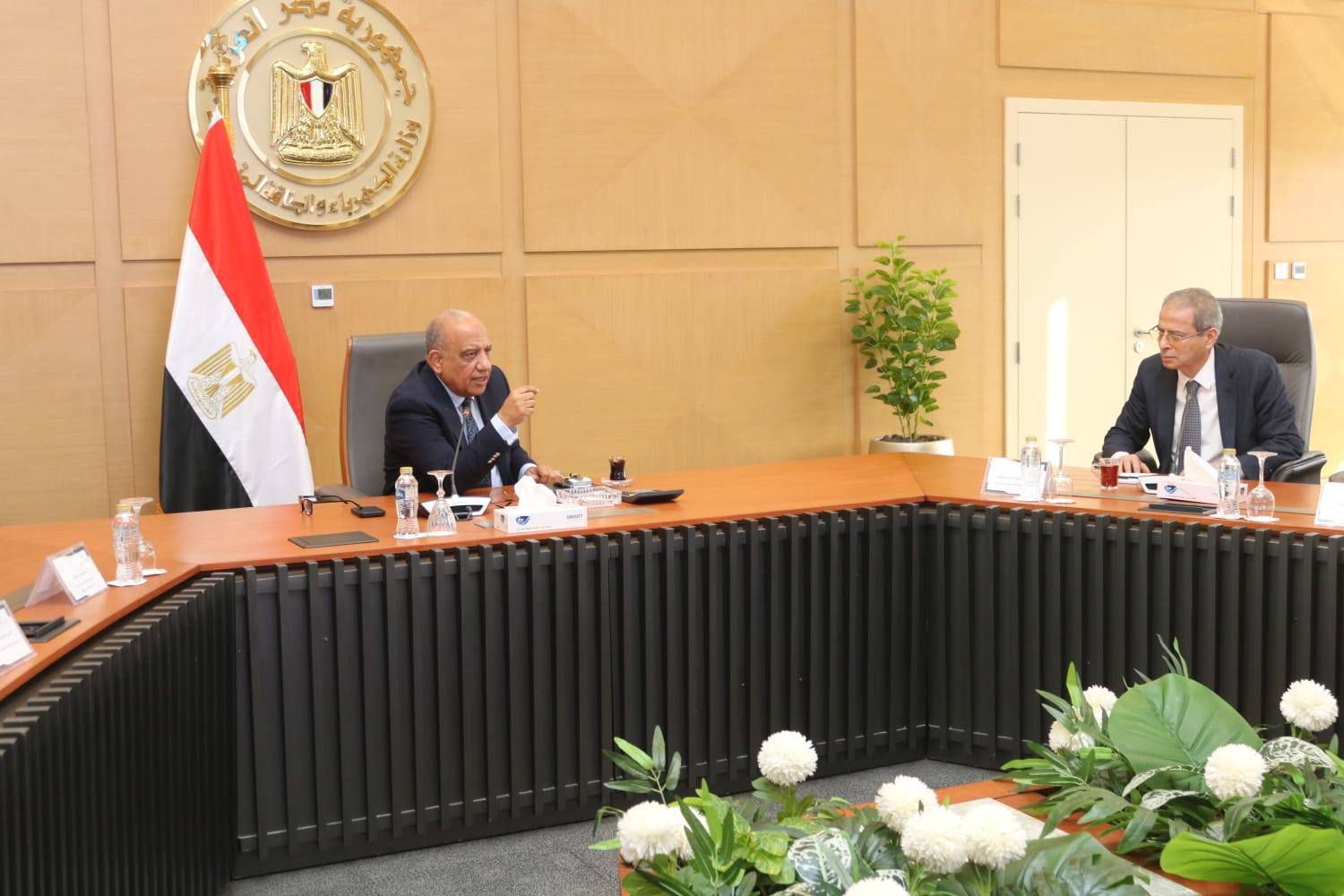
AVON LAKE, Ohio — Trump administration officials visited a Ford manufacturing plant on Friday to promote the “Freedom Means Affordable Cars” initiative, a plan to rollback federal fuel efficiency standards that President Donald Trump and Transportation Secretary Sean Duffy unveiled in December.
Duffy, Environmental Protection Agency Administrator Lee Zeldin, and U.S. Trade Representative Jamieson Greer were joined by U.S. Rep. Bob Latta, a Bowling Green Republican whose district includes Lorain County, and Sen. Bernie Moreno, a Westlake Republican, for a tour of the facility.
Officials said they chose the Buckeye State to discuss the initiative because years of policies that pushed automotive factories overseas hurt places like Ohio the most.
“When we had all those years of terrible policies that were driving factories to Mexico, to China, to Vietnam, this is where it got hurt, and this is where the jobs are coming back. This is where the expansions are happening. This is where we’re seeing a manufacturing renaissance, and that’s why we’re in Ohio,” Greer said.
The Transportation Department proposal significantly weakening Corporate Average Fuel Economy (CAFE) standards that were strengthened by the Biden administration in 2024.
Related: Trump cabinet members visiting Ohio to promote vehicle fuel efficiency rollback
The Transportation Department’s proposal would mean that automakers would need to meet less stringent vehicle mileage requirements by resetting standards for model years 2022-2031. Under the new standards, the fleet average fuel economy would reach 34.5 miles per gallon by model year 2031, which is significantly lower than the Biden-era target of 50 miles per gallon.
The proposal includes modest annual increases for both passenger cars and light trucks, with varying percentages depending on vehicle type and model year between 2023 and 2031.
The Trump administration has also proposed eliminating the CAFE credit trading program starting in model year 2028, which let automakers buy and sell fuel economy credits. The proposal would also reclassify crossovers and small SUVs as passenger automobiles instead of light trucks.
Administration officials framed the rollback as an economic issue for consumers. Duffy said that the previous standard forced automakers to pay billions in taxes or carbon credits, adding about $1,000 to the cost of each vehicle.
“The last administration … believed in a social policy that would force Americans to buy the cars that government wanted them to buy. We believe that the American people should buy cars that they want to buy,” Duffy said.
The proposal is currently in a 45-day public comment period that began when it was published in the Federal Register, with a public hearing to be scheduled.
However, Moreno claimed that price are reductions already happening, with claiming car companies are no longer taking losses on vehicles. He vowed that as long as he has influence, Chinese vehicles will not be sold in the United States.
“As long as I have air in my body, there will not be Chinese vehicles sold in the United States of America, period.”
The claims made by officials on Friday received pushback from the Natural Resources Defense Council, a non-profit environmental advocacy group. The organization said the administration’s “assault on cleaner, more efficient vehicles means fewer jobs, more pollution and higher costs for drivers at the pump.”
“The Trump administration has put the American auto industry into reverse. That’s going to mean fewer options for car buyers, less opportunities for American autoworkers and higher costs at the pump for all of us,” Kathy Harris, director for clean vehicles at NRDC.
link
About the Author